Disney Twisted-Wonderland
- 4.8
- Rating
- 500.00K
- Installs
- Free
- Price

 Analysis by App-foxy
I spent my time with Disney Twisted-Wonderland expecting a familiar character-driven mobile adventure, but its strongest idea is more specific: it turns Disney villain-inspired storytelling into a sequence of turn-based decisions. That combination gives the game a different rhythm from an action-heavy adventure. I am not constantly tapping through enemies or rushing from one screen to the next. Instead, I read the situation, choose how to approach a battle, and then return to the story when the fight is over.
That focus matters because the game is aimed at players who enjoy atmosphere and character interaction as much as combat. Developed by Aniplex Inc., it is a free adventure game with an age rating of Everyone 10+, and it has built a 4.7 average from around 19 thousand ratings. I found it easy to start, but not quite as easy to recommend to everybody. Its appeal depends heavily on whether you enjoy a slower, more theatrical pace and are comfortable with optional purchases ranging from $0.99 to $79.99 per item.
Why the turn-based battles are the real hook
I find the turn-based battles are the clearest way to tell whether this adventure will click for you: they ask for attention without demanding quick reflexes. In this section, I’ll look at how that choice shapes the game’s moment-to-moment feel, and why it matters more than the familiar villain-inspired setting alone.
You May Also Like

 Pandora - Music & Podcasts
Pandora’s Music Is Easy to Start, but Harder to Recover
Pandora’s strength is its low-effort path from a seed to a station. Its weak spot is how much confidence it asks you to place in connection, setup, and quiet recovery.

 AccuWeather: Weather Radar
AccuWeather Review: A Quick, Clear Forecast for Everyday Decisions
For everyday plans, the best forecast is the one you can understand quickly. AccuWeather makes rain timing, radar, and local conditions easy to act on, with a few trade-offs.

 Hill Climb Racing
Why Hill Climb Racing Still Turns Crashes Into One More Run
A tiny car, a bumpy hill and one more upgrade: Hill Climb Racing keeps resurfacing because its simple chaos makes every near-miss feel personal.

 AliExpress - Shopping App
AliExpress Makes Global Shopping Feel Personal, but Shoppers Bear the Risk
AliExpress turns a global marketplace into a pocket-sized discovery engine. Its reach is useful, its shopping loop compelling, and its trade-offs easy to miss.

 Lords Mobile: Kingdom Wars
Lords Mobile Is a Kingdom-Building Routine, Not a Quick Match
A case-by-case verdict on the building, battles, device demands, and social commitments that make Lords Mobile rewarding for some players and exhausting for others.

 PDF Scanner app - TapScanner
TapScanner Makes Paperwork Easier to Capture, Check, and Share
TapScanner makes scanning with a phone feel less like a rescue operation and more like a dependable step in getting work done. Its capture tools are useful, though not flawless.
More From Our News Desk
View All News


Decisions replace frantic tapping
The central capability I kept noticing was the turn-based battle format. Rather than treating combat as a reflex test, the game gives each encounter a more deliberate feel. I can pause mentally, consider the available choices, and decide how much attention the current opponent deserves. That makes the battles work as a change of pace from the narrative instead of feeling like an interruption between story scenes.
This is especially useful on a phone. I can play a short session while waiting for an appointment, stop after a battle, and come back without feeling that I abandoned a fast-moving action sequence. The format also suits players who prefer planning over rapid reactions. If you normally avoid mobile games because they demand constant swiping or precise timing, this is one of the more approachable ways to enter an adventure built around combat.
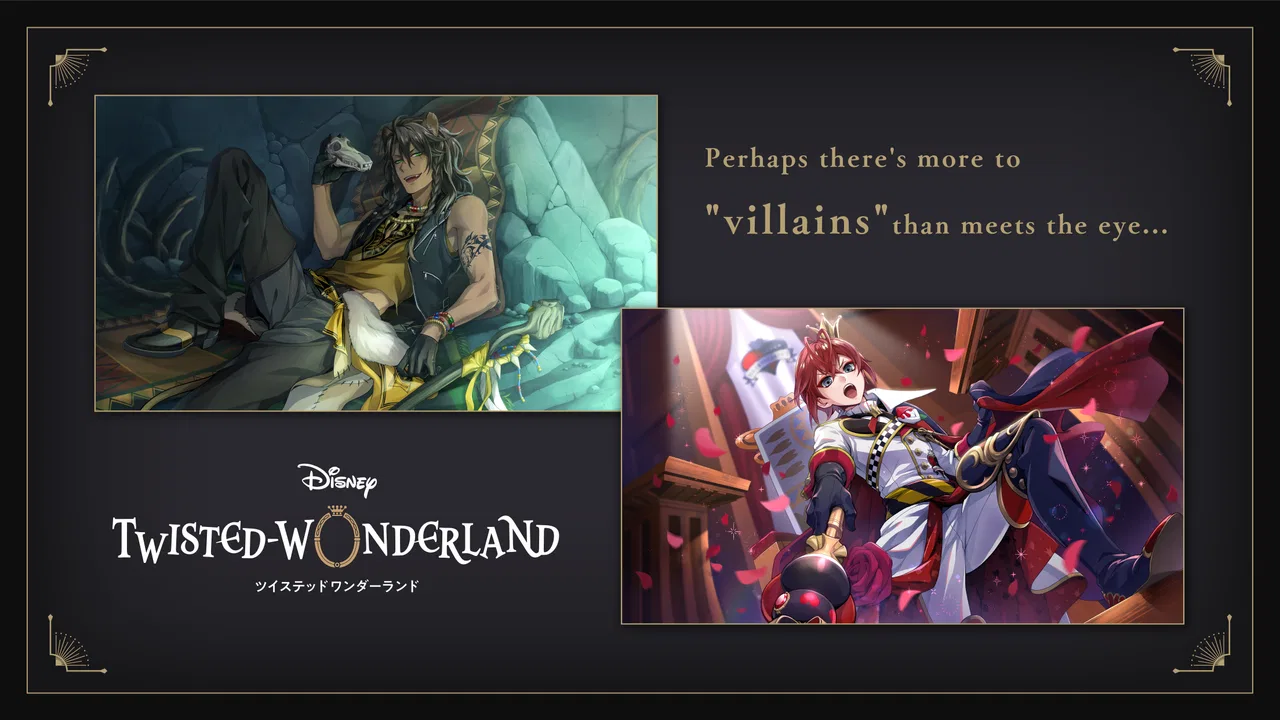
The villain-inspired setting gives those battles their identity. The game is not simply presenting anonymous heroes and interchangeable enemies. Its Disney connection creates a recognizable tone, but it does not feel like a basic collection of familiar film scenes. The result is a stylized world where the characters and their attitude are as important as the outcome of a fight.
The story gives combat a reason to exist
In many mobile adventures, battles can feel like routine obstacles placed between rewards. Here, I found the narrative framing more important. The turn-based encounters make sense as part of a larger character-focused experience, so I was more willing to engage with them instead of treating them as chores to clear as quickly as possible.
That relationship between story and combat is the game’s most convincing strength. A battle is not memorable only because of what happens mechanically; it also gains weight from the mood surrounding it. If you enjoy Disney villains as dramatic figures rather than simple cartoon antagonists, the game’s approach gives you more to consider than a straightforward action adaptation would.
A good fit for short, controlled sessions
I would not describe this as a game that demands my full attention for hours at a time. Its turn-based structure makes it comfortable to divide into small sessions. A quick visit can involve reading part of the story and handling an encounter, while a longer session lets me settle into the setting and follow the characters more closely.
That flexibility is useful for people who play on a phone rather than a dedicated console. It also makes the game less intimidating for someone who is curious about adventure games but does not want to learn a complicated real-time control scheme. The important distinction is that “easy to pick up” does not mean “entirely shallow.” The slower pace leaves room for choices, but it also asks the player to appreciate the presentation.
How the battles feel when I actually play
When I actually play, the key adjustment is to treat each fight as a pause for thought rather than a race to tap through. I’ll explain what that measured rhythm feels like in practice, including the trade-off for anyone who prefers action that stays lively from second to second.
Read first, act second
My most practical advice is to resist treating every encounter as something to rush through. The game rewards a more observant habit: read what is happening, identify what the encounter seems to be asking from you, and then commit to a choice. Even when the individual decision looks small, approaching the fight with a plan makes the turn-based system feel intentional.
I also found it helpful to separate story attention from battle attention. During narrative sections, I could relax and follow the personalities. Once a battle began, I switched into a more careful mindset. That simple change prevented the combat from becoming background noise and made the transition between the two parts feel smoother.
Why the format is friendlier than action alternatives
Compared with a typical real-time mobile action game, this adventure is less dependent on reflexes, screen visibility, and uninterrupted concentration. That is a meaningful advantage when playing on a small display or in a noisy place. I do not need to react instantly to every movement, so the experience remains manageable even when my surroundings are not ideal.
The trade-off is energy. Real-time games can create excitement through speed, while this one builds interest through anticipation. If you want constant movement, rapid combos, or the feeling of controlling every second of a fight, the turn-based approach may seem restrained. I enjoyed that restraint, but I can see why another player might interpret it as sluggish.
What I would do before spending money
Because the game is free to download and includes in-app purchases, I would first play long enough to decide whether the story and battle rhythm genuinely suit me. The purchase range begins at $0.99 and reaches $79.99 per item, so the sensible approach is to treat spending as optional rather than as part of the basic entry cost. I would not buy anything simply because a battle felt inconvenient; I would only consider it if I already knew I wanted to keep playing.
This is also where the game differs from a paid adventure bought once. A free starting point lowers the barrier to trying it, but the presence of optional purchases means I need more self-control than I would with a single-price title. For younger players, the Everyone 10+ rating describes the intended age range, but adults may still want to supervise purchasing habits on a shared device.
Keeping the experience comfortable on an older device
The listed minimum operating system is Android 7.0, which gives the game a fairly broad starting point for Android users. My practical suggestion is to keep expectations realistic if the phone is old or short on storage: close unrelated apps before playing, leave room for updates, and avoid judging the game by a single rushed session after a device has been running all day.
The current version is 1.0.31, so I would check that the installed build is current before drawing conclusions about stability or presentation. This is not about chasing every update; it is simply a sensible step with a live mobile title. A current installation gives the fairest impression of how the developer is maintaining the experience.
The best everyday scenario for playing
I get the most from this game when I can give its story and battles a little room, rather than squeezing them into a distracted moment. The next section considers a realistic way to fit it into an ordinary day, and why a calm session suits its pacing better than trying to play on autopilot.
A calm evening rather than a rushed commute
The situation where I enjoyed it most was a quiet evening when I wanted something more engaging than passive video but less demanding than a competitive game. I could follow the story, stop to think during a turn-based encounter, and put the phone down without feeling punished for taking a break. That balance makes it a strong companion for a short wind-down session.
I would also recommend it for a player who likes discussing characters and settings with friends. The villain-inspired world gives conversations a clear starting point, while the battles create enough interaction to keep the game from becoming an entirely passive visual story. It works particularly well when the player wants a recognizable Disney flavor with a more unusual focus than a conventional heroic adventure.
When it is less suitable
I would skip it if my main goal were fast action. Someone looking for an arcade-style challenge, quick competitive matches, or a game built around constant physical control will probably find better options elsewhere. This title asks for patience, and its appeal can fade if I am not interested in reading, atmosphere, or character presentation.
I would also hesitate to recommend it to a player who dislikes free-to-play structures on principle. Even if the opening cost is zero, optional purchases change the way I evaluate progress and convenience. A traditional premium adventure may be a better match for someone who wants to pay once, own the complete experience, and never think about item pricing while playing.
How it compares with familiar mobile adventures
Against action-oriented adventure games, the biggest difference is control. Those alternatives usually make movement and reaction the center of the experience; this one makes decision-making and story context more prominent. Against purely narrative games, it offers more active participation because battles require me to engage rather than only advance dialogue.
That middle position is valuable, but it is also a compromise. It will not deliver the mechanical depth of a dedicated strategy game or the cinematic momentum of a fully linear story. I see it as a bridge between those styles: a character-led adventure for people who want battles, but prefer them to remain measured and connected to the surrounding fiction.
Small habits that improve the experience
A few small choices can make the experience easier to judge: I pay attention to whether I enjoy the story-combat combination, and decide my spending boundaries before an offer becomes tempting. Here I’ll cover habits that help me keep sessions deliberate and avoid mistaking a poor fit for a problem that money can solve.
Use battles as checkpoints for attention
One useful habit is to treat each encounter as a natural checkpoint. Instead of opening the game with the vague intention of playing “for a while,” I can begin a session by aiming to complete one story portion and its related battle. That keeps the game from feeling endless and makes it easier to stop at a satisfying point.
This approach is also helpful when I am deciding whether the game deserves more of my time. If I repeatedly enjoy the story but resent every battle, the problem is not a lack of patience; the core format may simply not suit me. Conversely, if the fights make me curious about what happens next, the game is doing exactly what its structure is designed to do.
Do not judge it only by the first dramatic impression
The Disney villain theme is an immediate selling point, but I would not use that alone to decide whether to continue. The more important question is whether I enjoy the game’s interpretation of that theme. The atmosphere may attract me at first, yet the turn-based rhythm determines whether I stay.
I recommend giving attention to the combination rather than separating the parts. If I focus only on the characters, the battles may feel like an obstacle. If I focus only on winning, the story may feel like decoration. The strongest sessions came when I let the narrative set the mood and then approached the battle as the practical expression of that tension.
Set a purchase boundary before the first tempting offer
My other concrete tip is to decide in advance whether I am playing entirely for free, allowing only occasional small purchases, or treating the game as a hobby with a fixed budget. Making that decision before I become attached to a character or stuck in a difficult moment reduces impulsive spending.
This is a general free-to-play precaution, but it matters here because the game is easy to try and its setting can make continued investment feel emotionally natural. A clear boundary lets me enjoy the adventure on its own terms. If the free experience no longer feels satisfying, I would rather move on than spend money trying to force a better fit.
Who gets the most from this adventure
This adventure is most rewarding for players who like character-led storytelling and measured combat, not for everyone drawn to mobile games or Disney settings. I’ll finish by weighing who is likely to enjoy its particular balance, who may prefer another kind of adventure, and how I would decide whether to keep playing.
Best for story-minded Disney fans
The ideal player is someone who likes Disney villains, enjoys character-led fiction, and wants turn-based battles rather than real-time action. That combination is more specific than simply being a fan of mobile games. I would especially recommend it to a friend who likes stylish settings, prefers thoughtful pacing, and wants a game that can be played in manageable sessions.
The game’s 500 thousand-plus installs show that it has reached a substantial audience, while the 7.2 thousand reviews suggest plenty of players have taken the time to describe their experience. I would treat those figures as signs of an active audience, not as a guarantee that the game will match my taste. The personal fit still comes down to the relationship between story, villain-inspired presentation, and deliberate combat.
Who should choose something else
Players who want uninterrupted action should look elsewhere. So should anyone who finds narrative sections tedious or who expects every battle to offer deep tactical complexity. The game’s strength is balance, not specialization. It gives me enough interaction to feel involved without turning combat into the whole reason to play.
I would also choose a different title if I wanted a completely self-contained premium experience. The free entry is convenient, but the optional purchase structure makes it less straightforward than a game with one fixed price. That is not automatically a flaw; it is simply a decision point that should be considered before downloading.
My recommendation after weighing the trade-offs
I recommend Disney Twisted-Wonderland to the right audience, not as a universal mobile adventure. Its best verified capability is the way it uses turn-based battles to give a villain-focused story an active rhythm. In practice, that makes it calm, accessible, and easy to fit around everyday life, while also making it slower and less immediately thrilling than action alternatives.
Aniplex Inc. has shaped the game for players who want more than a quick combat loop but less pressure than a demanding real-time title. I would start with the free version, play without rushing to purchase anything, and pay attention to whether the story makes me look forward to the next encounter. If it does, the game has found its audience in me. If I am waiting only for the battles to end, I would move on without regret.
FAQs for Disney Twisted-Wonderland
01What is Disney Twisted-Wonderland about?
Disney Twisted-Wonderland is an adventure and rhythm game that combines storytelling with musical elements. Players explore a magical academy where iconic Disney villains inspire different dormitories. The game offers a unique perspective on classic tales, focusing on the villains' side of the story, while players navigate through various quests and rhythm challenges.
02Is Disney Twisted-Wonderland free to play?
Yes, Disney Twisted-Wonderland is free to download and play. However, it includes optional in-app purchases. Players can buy in-game currency to enhance their experience, such as unlocking special items or accelerating progress. These purchases are not necessary for gameplay but can offer additional advantages and customization options.
03What are the system requirements for Disney Twisted-Wonderland?
To enjoy Disney Twisted-Wonderland, you'll need an Android device running version 7.0 or higher, or an iOS device with iOS 10.0 or later. The game requires a stable internet connection and around 2 GB of free storage space. Ensure your device meets these requirements for optimal gameplay and performance.
04Does Disney Twisted-Wonderland offer a multiplayer mode?
Currently, Disney Twisted-Wonderland focuses on a single-player experience. The game emphasizes its narrative-driven content and rhythm challenges, allowing players to immerse themselves in the story and interact with characters inspired by Disney villains. While there is no multiplayer mode, the game provides a rich solo adventure.
05How does Disney Twisted-Wonderland handle player progress and saves?
Disney Twisted-Wonderland uses a cloud-based save system to ensure your progress is secure. Players can link their accounts to social media or other platforms for easy recovery. This feature allows you to switch devices without losing your progress, provided that you are logged into the same account.
Pros
- Stunning graphics with detailed character design.
- Engaging storyline with multiple twists.
- Unique Disney-inspired characters and settings.
- Varied gameplay combining RPG and rhythm elements.
- Frequent updates with new content and events.
Cons
- Requires a stable internet connection to play.
- In-game purchases can be expensive.
- Some story elements may feel repetitive.
- Loading times can be longer on older devices.
- Game mechanics may be complex for beginners.

Disney Twisted-Wonderland
Gallery